


General Knowledge

Instructor
About This Course
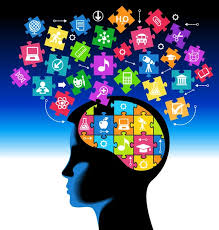
General knowledge is a broad collection of facts and information across a wide variety of subjects. It represents the "cultural literacy" required to understand the world around us, from the history of ancient civilizations to the mechanics of modern technology.
1. The Core Pillars of General Knowledge
To organize general knowledge, it is helpful to look at it through several primary disciplines:
History & Geography
History: The study of past events, including the rise and fall of empires (like Rome or the Mongols), the World Wars, and the development of civil rights.
Geography: Understanding the physical world, including continents, oceans, mountain ranges, and the political boundaries of the 195+ countries.
Science & Nature
Physics & Chemistry: Basic laws like gravity, the periodic table of elements, and the nature of energy.
Biology: Evolution, the human body (as we discussed), and the diversity of ecosystems.
Astronomy: Our solar system, the life cycle of stars, and the scale of the universe.
Arts & Literature
Literature: Classic works by authors like Shakespeare, Tolstoy, or Maya Angelou.
Visual Arts: Famous movements (Renaissance, Impressionism) and iconic artists like Da Vinci or Van Gogh.
Music: The evolution from classical compositions to modern genres like jazz, rock, and hip-hop.
2. Global Governance and Economics
General knowledge also involves understanding how modern society functions:
International Organizations: The role of the United Nations (UN), the World Bank, and the WHO.
Economics: Basic concepts like supply and demand, inflation, GDP (Gross Domestic Product), and the difference between capitalism and socialism.
Politics: Different forms of government, such as democracies, monarchies, and authoritarian regimes.
3. Technology and the Modern Age
In the 21st century, general knowledge heavily includes digital literacy:
| Field | Key Concept | Why it Matters |
| Information Tech | The Internet & AI | How data is shared and processed globally. |
| Environmental Science | Climate Change | Understanding the impact of carbon emissions and renewable energy. |
| Medicine | Vaccines & Genetics | How we fight disease and understand human DNA. |
4. Why is General Knowledge Important?
Critical Thinking: It helps you evaluate information and spot "fake news" or logical fallacies.
Social Connection: It provides "common ground" for conversations with people from different backgrounds.
Adaptability: A broad knowledge base makes it easier to learn new, specialized skills quickly.
Fun Fact: The term "Trivia" comes from the Latin trivium, referring to the three "lower" liberal arts: grammar, logic, and rhetoric.

Curriculum Overview
This course includes 0 modules, 0 lessons, and 0 hours of materials.
Course Specifications




Subscribe to Our Newsletter


Additional Links
Login Register Contact Certificate Validation Become Instructor About Terms and PoliciesContact IN


Reply to Comment